Global Scholars Gather at HKUST to Explore Chinese Language Education in the AI Era
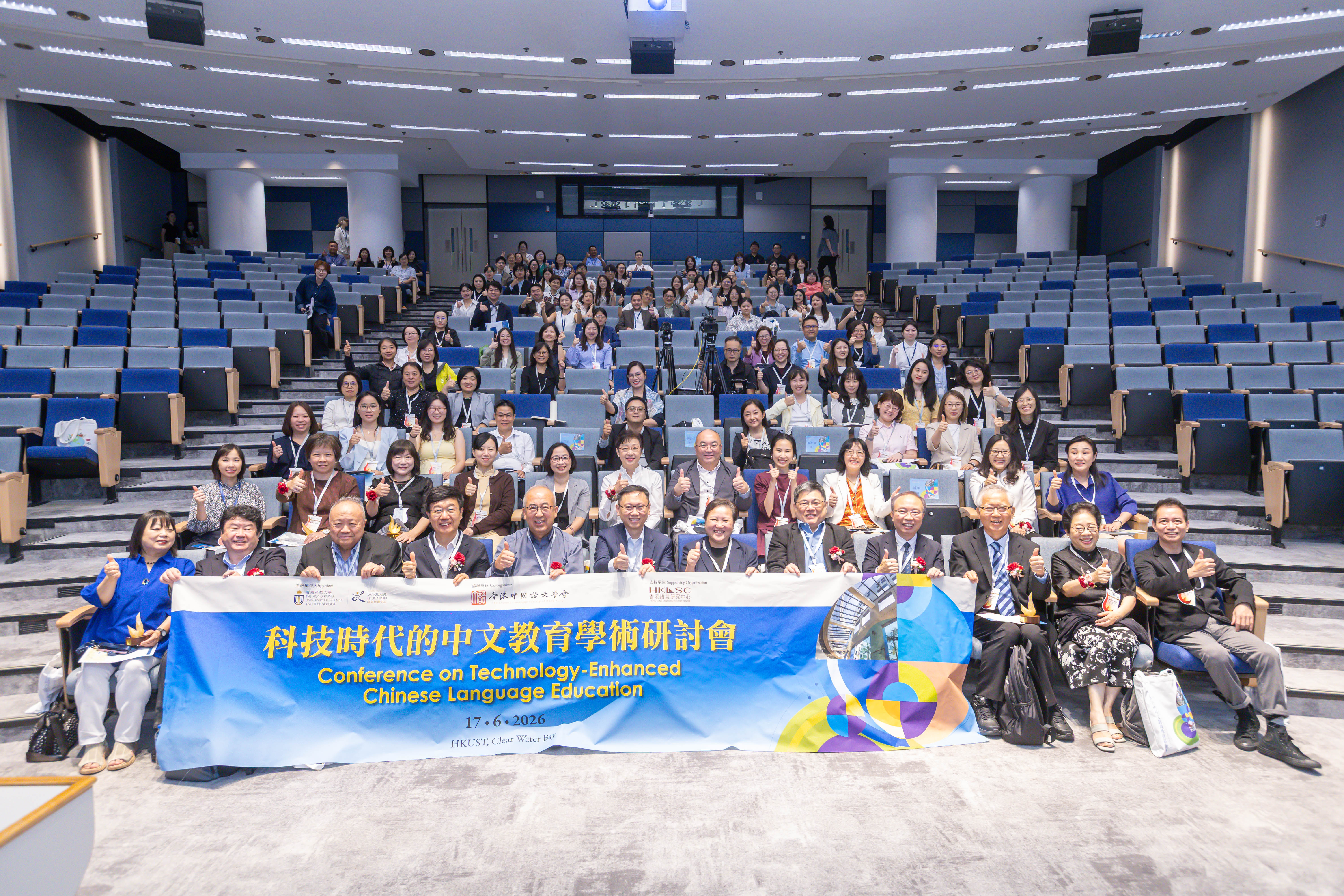
The Conference on Technology-Enhanced Chinese Language Education (TechCLE 2026), hosted by the Center for Language Education (CLE) under the School of Humanities and Social Science (SHSS), The Hong Kong University of Science and Technology (HKUST), co-organised by The Chinese Language Society of Hong Kong, and supported by Hong Kong Language Studies Centre, was held on June 17 at HKUST’s Clear Water Bay campus.
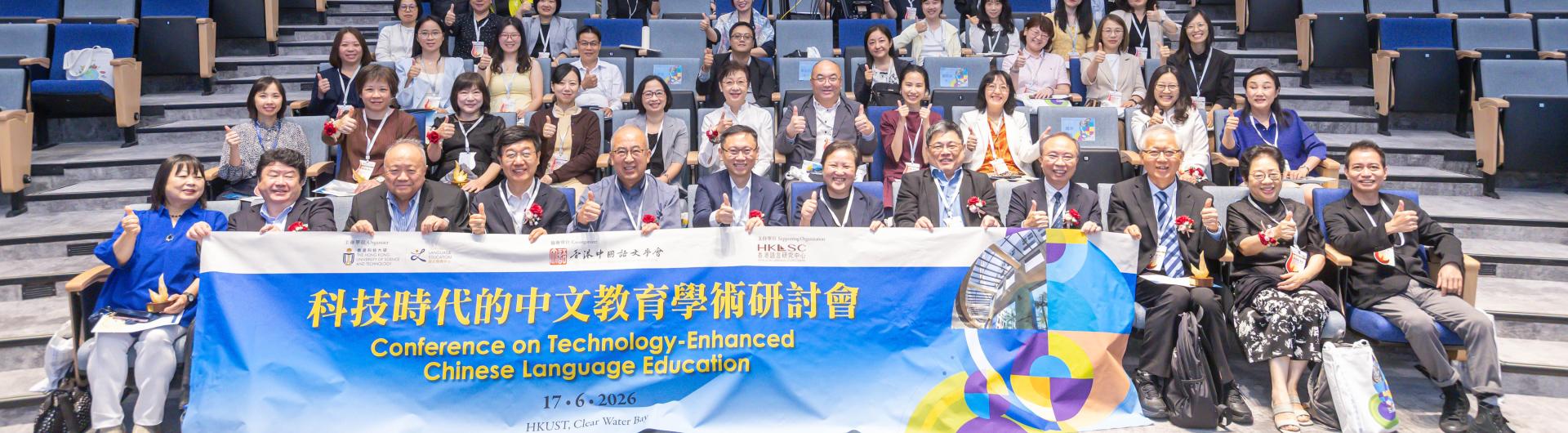
Marking the 30th anniversary of the implementation of the National Putonghua Shuiping Ceshi (PSC) in Hong Kong, the 20th anniversary of the establishment of the HKUST Putonghua Training and Testing Centre, and the 35th anniversary of HKUST, the conference brought together more than one hundred experts, scholars, educators, and students from Chinese Mainland, Hong Kong, Macao, Taiwan and overseas such as Japan, the United Kingdom, the United States, Canada, and Vietnam, among others. Participants explored the application of artificial intelligence (AI), big data, speech technology, and virtual learning environments in Chinese language teaching and assessment.
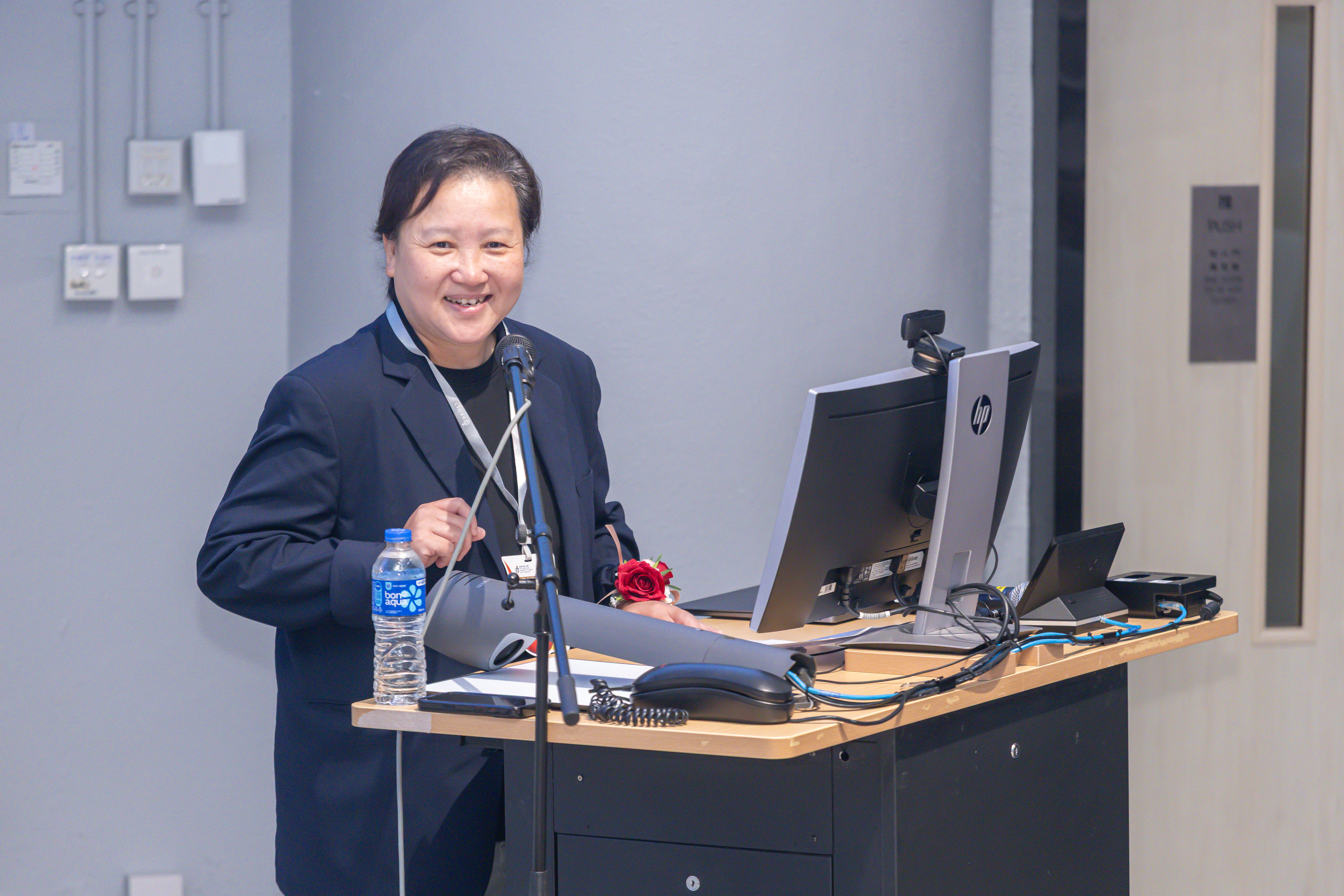
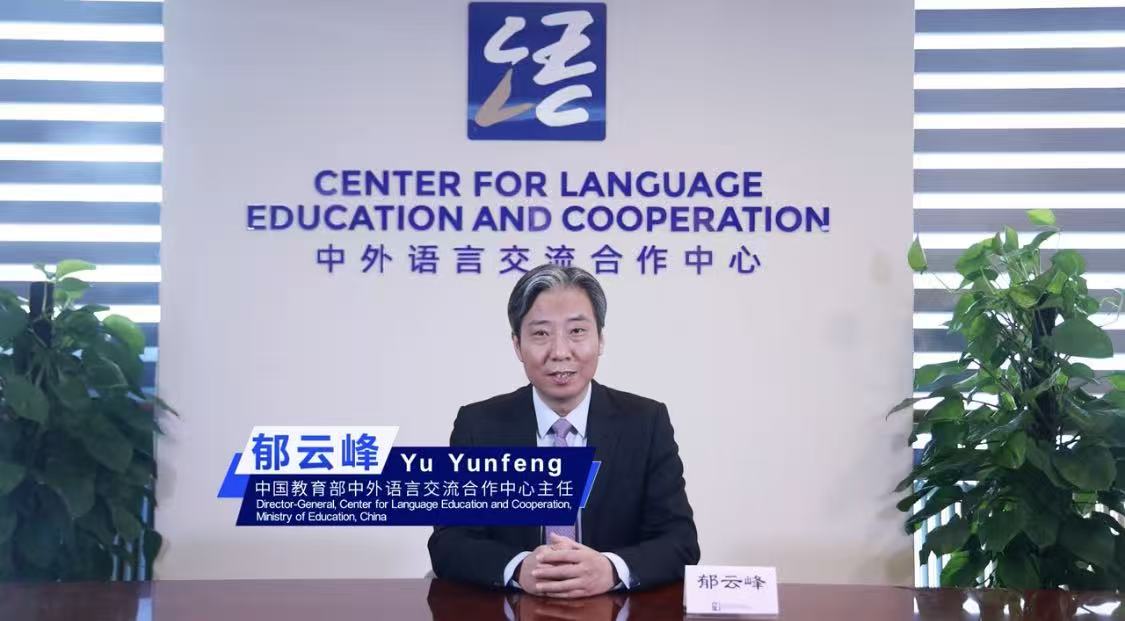
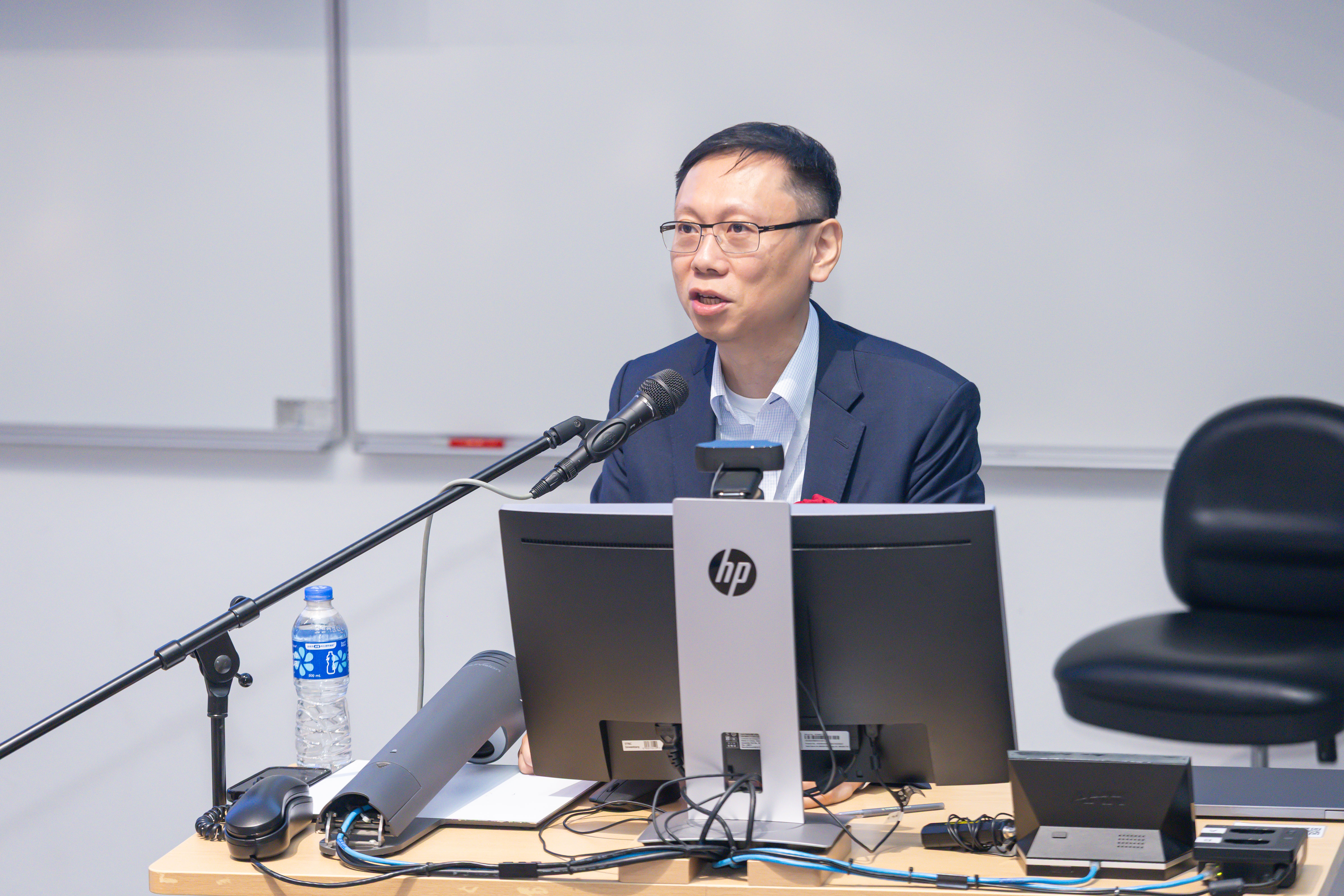
In her welcoming speech, Professor Nora HUSSIN, Interim Director of the CLE at HKUST, noted that amid the rapid development of AI, the education sector must reflect on how to sustain authentic and human-centred communication in Chinese. Mr Yunfeng YU, Director of the Centre for Language Education and Cooperation under China’s Ministry of Education, delivered a video address highlighting how AI has opened new pathways to meet the personalised needs of Chinese learners worldwide. He also introduced the “iChinese” online learning community and advocated jointly building a learning ecosystem that enables “real-time learning and accessible learning for all.” Furthermore, Professor Kai-Lung HUI, Associate Provost (Academic Development) at HKUST, emphasised that technology should support and extend language education rather than replace its humanistic and cultural values.
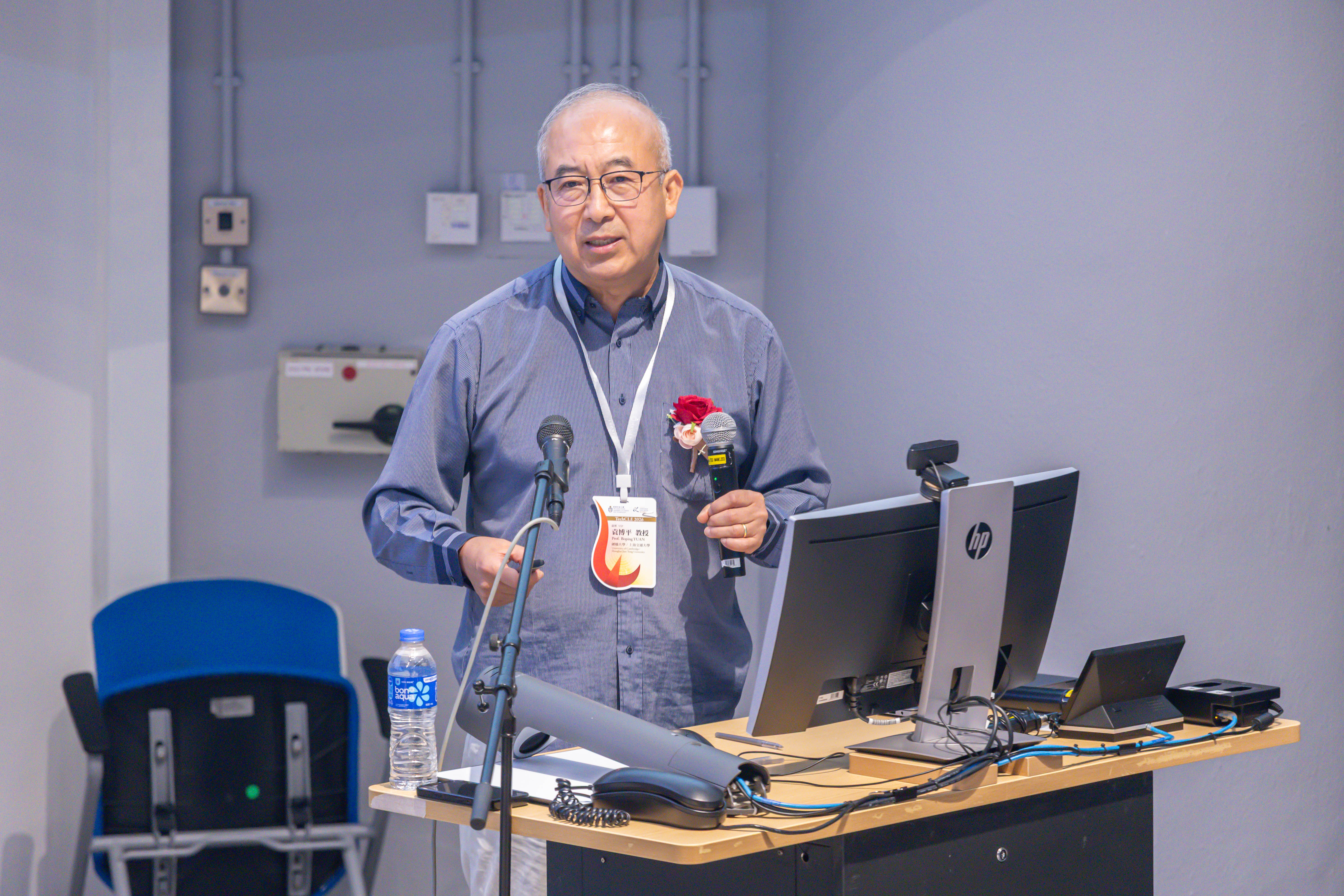
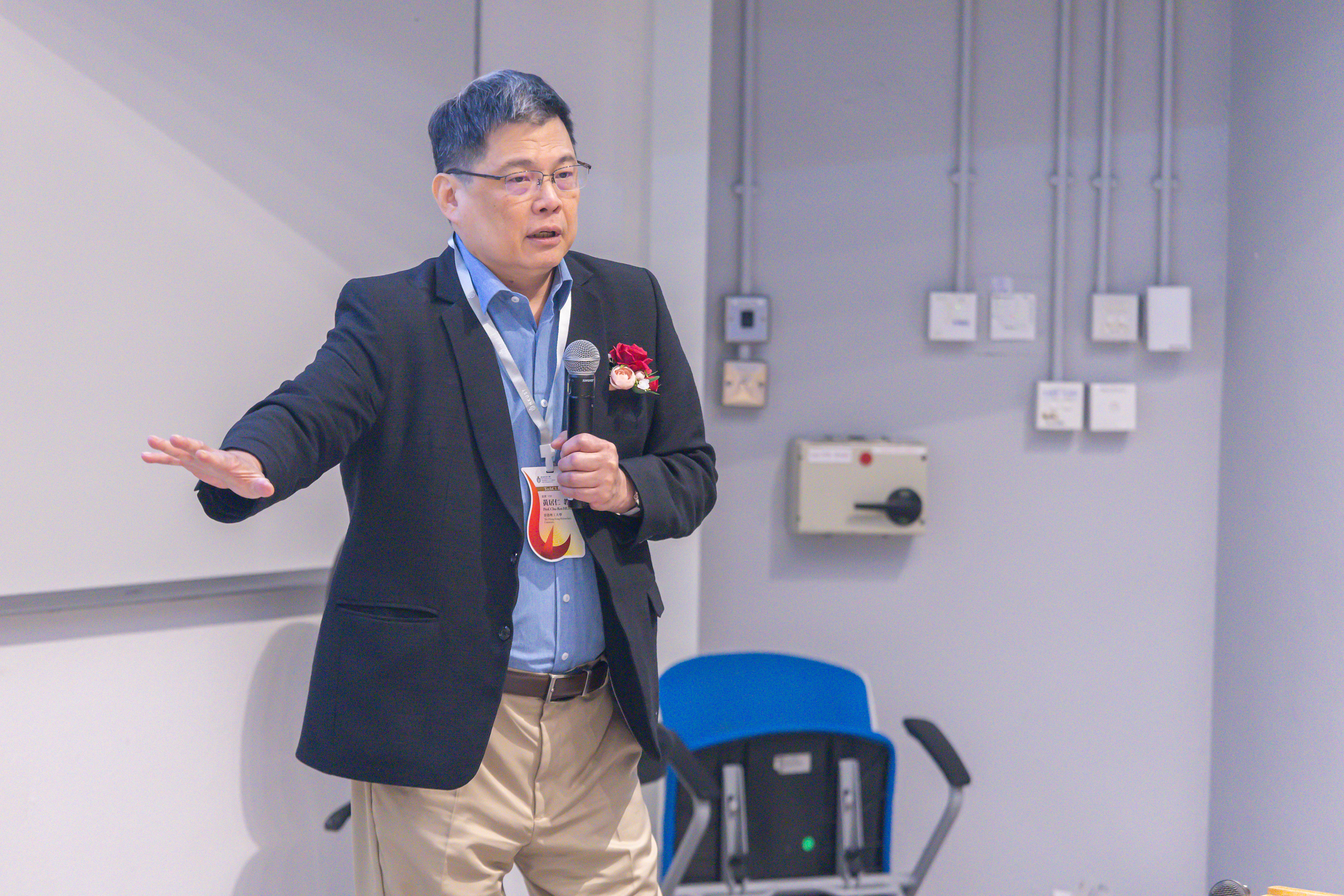
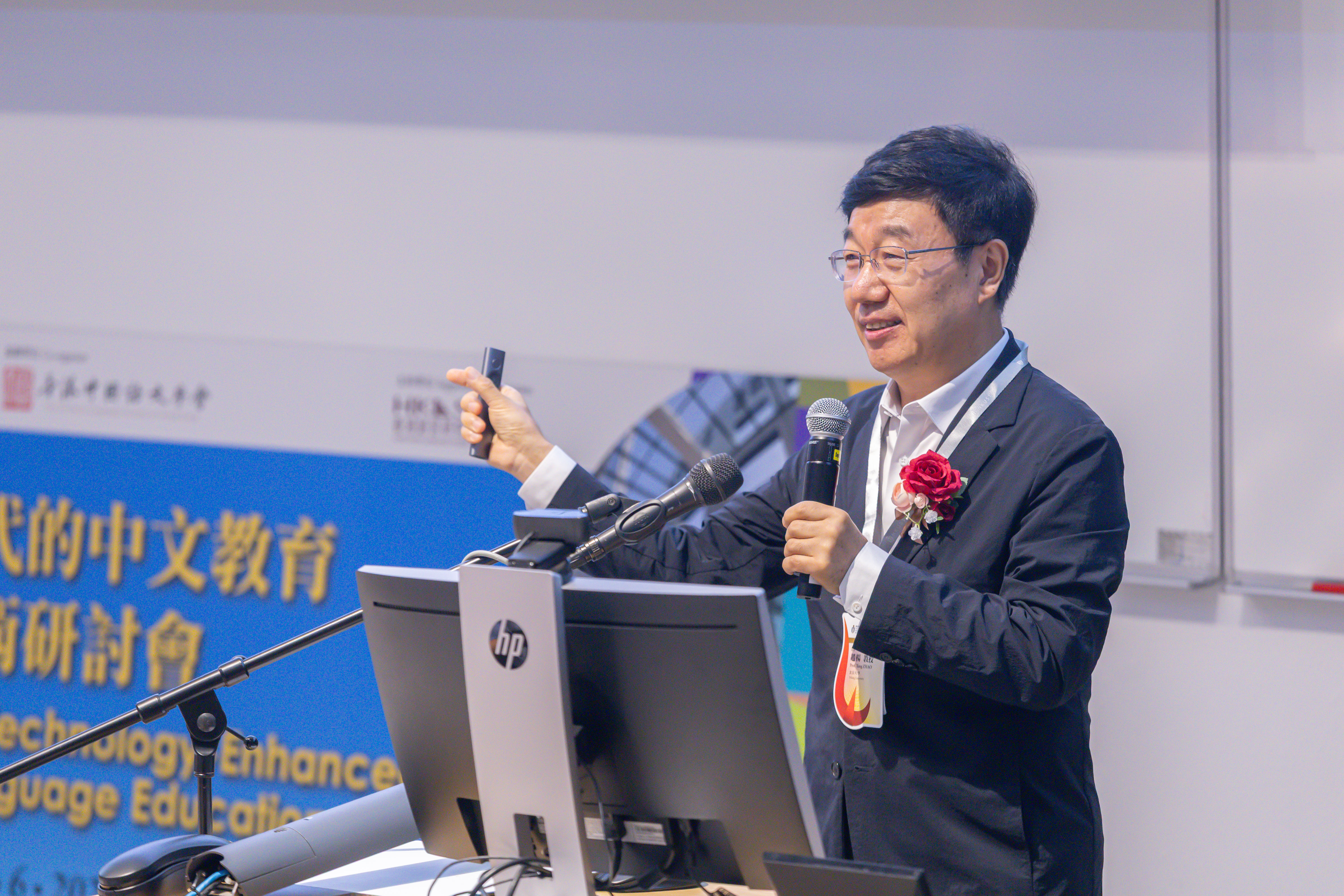
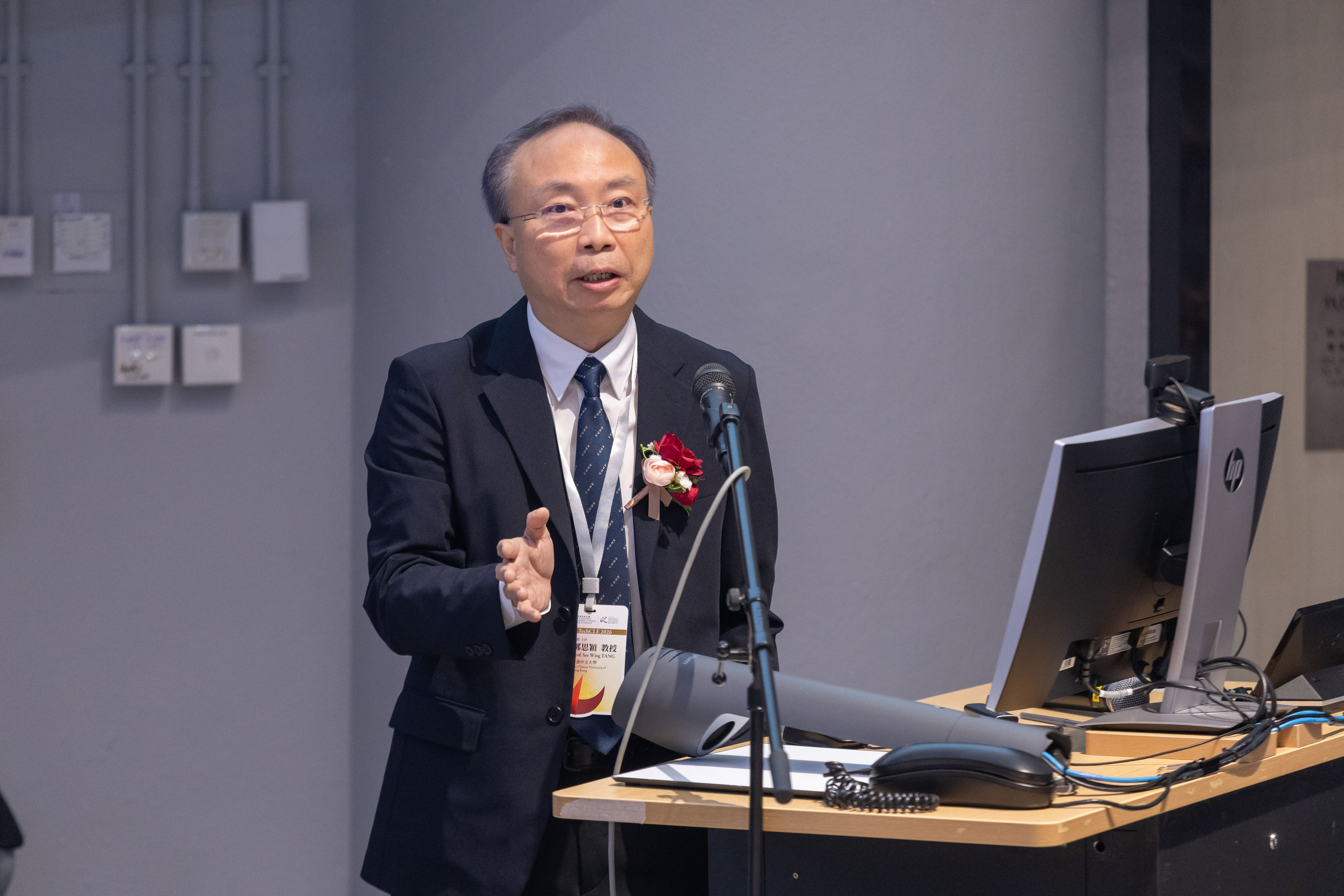
The conference featured four keynote speeches delivered by Professor Boping YUAN (Fellow of Churchill College, University of Cambridge, and Distinguished Professor of Linguistics at Shanghai Jiao Tong University), Professor Chu-Ren HUANG (Chair Professor of the Department of Language Science and Technology at The Hong Kong Polytechnic University), Professor Yang ZHAO (Boya Distinguished Professor at Peking University and Dean of the School of Chinese as a Second Language), and Professor Sze-Wing TANG (the Department of Chinese Language and Literature at The Chinese University of Hong Kong). Addressing topics ranging from second language acquisition and applications of large language models to AI-integrated research paradigms and the development of terminology in international Chinese language education, the speakers examined the future direction of technology-enhanced Chinese language education. Their perspectives aligned that while AI can contribute to teaching, research, language learning, and terminology development, teachers remain irreplaceable, and technological advancement must ultimately serve humanity.
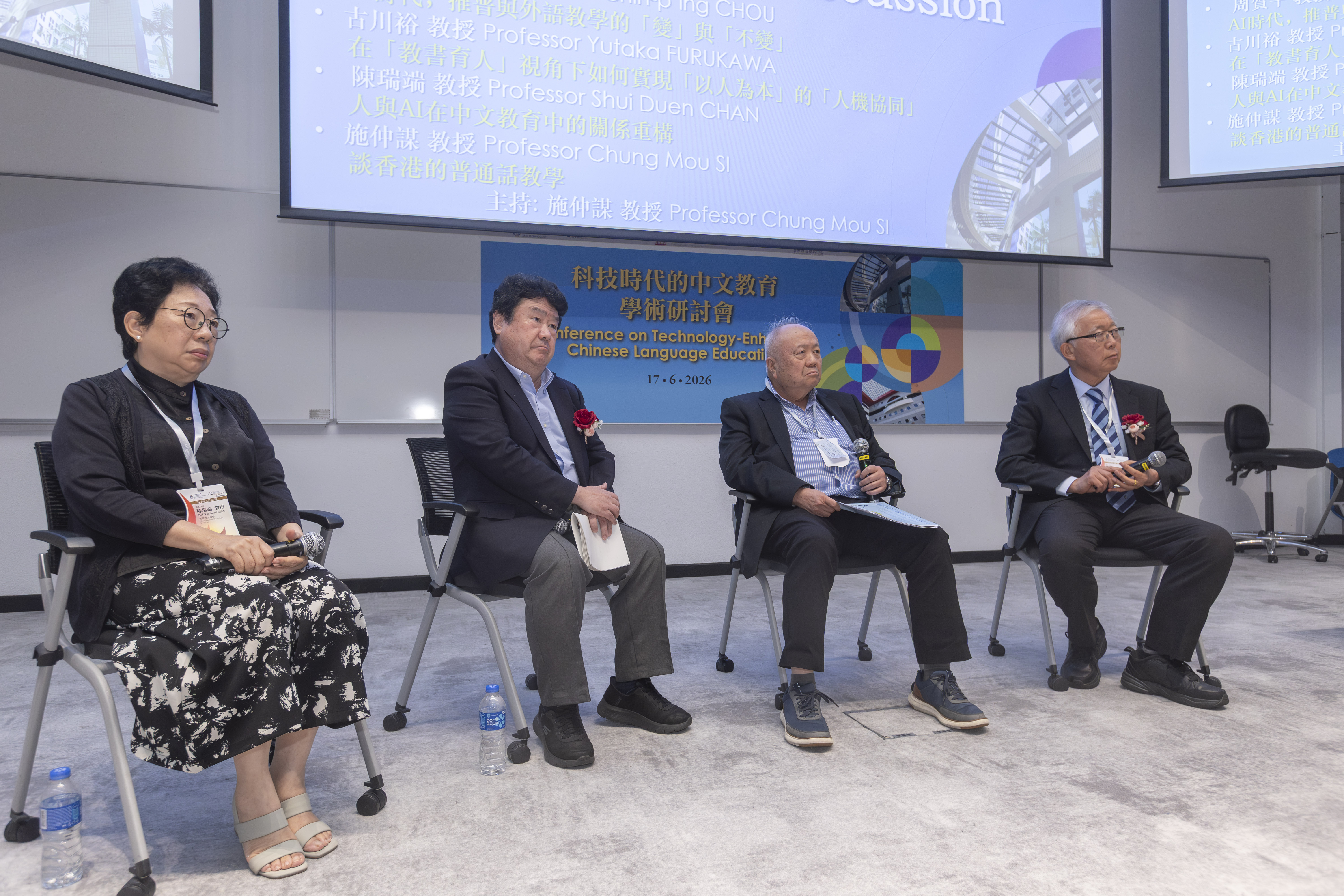
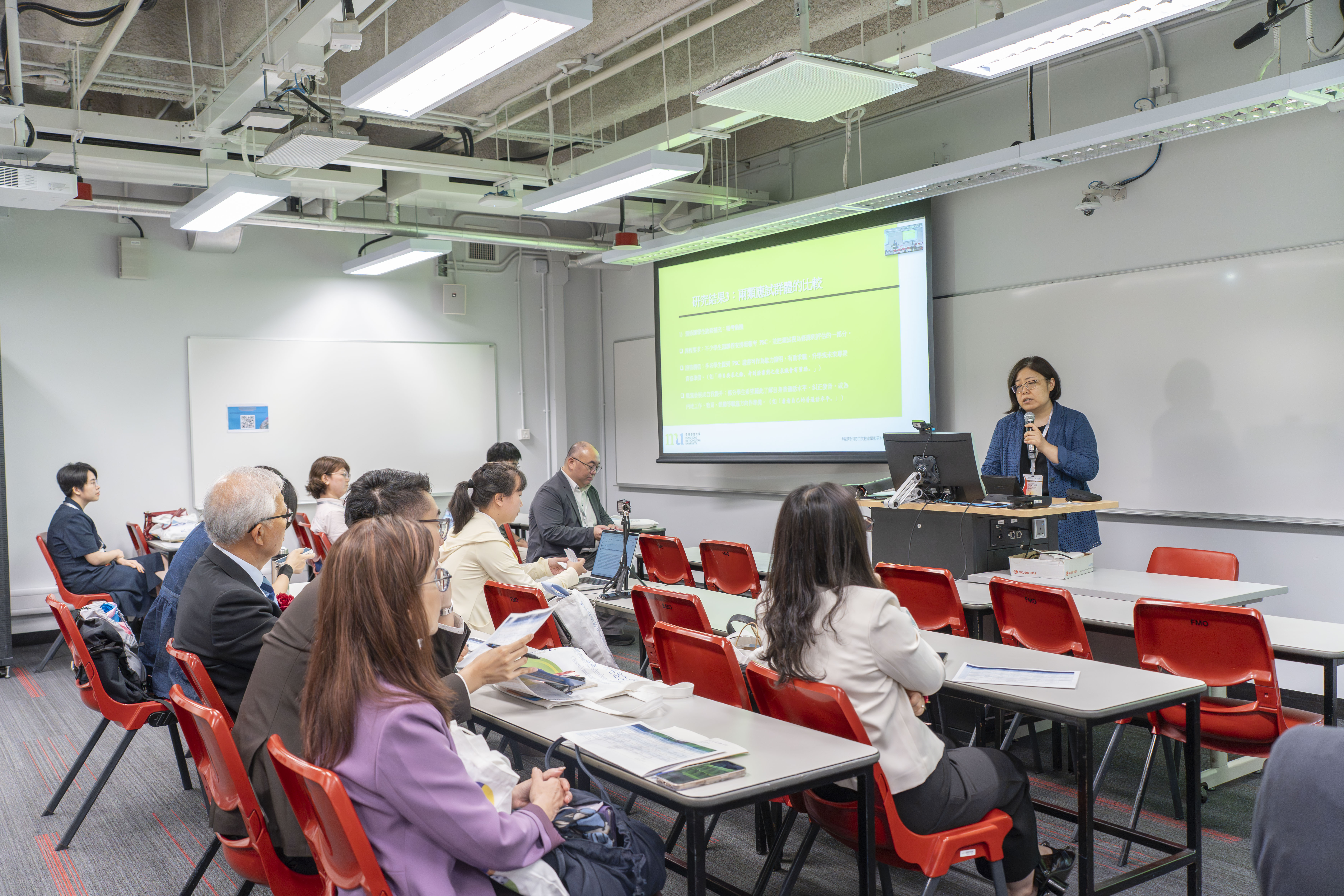
The roundtable forum titled “Human–Machine Collaboration: New Paradigms and Ecosystems for Chinese Language Education” included these panellists: Emeritus Professor Chih-p'ing CHOU of Princeton University, Emeritus Professor Yutaka FURUKAWA of Osaka University, Research Professor Shui Duen CHAN of The Hong Kong Polytechnic University, and Emeritus Professor Chung Mou SI of The University of Hong Kong and Adjunct Professor at The Education University of Hong Kong. The speakers noted that as AI assumes a greater role in content generation and instructional support, teachers should shift from knowledge transmitters to learning designers and critical guides. Turning to micro-level research and practice, eight parallel sessions featured a total of seventy-three paper presentations, covering topics such as AI-assisted writing instruction, digital curriculum design, speech technology and Cantonese teaching, cultural interaction, grammar and discourse studies, and teachers’ digital literacy.
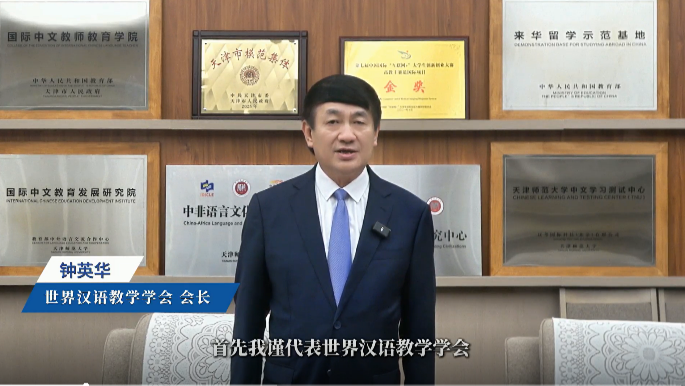
Professor Yinghua ZHONG, President of the International Society for Chinese Language Teaching, delivered the closing address via video, emphasising that while technology can innovate teaching, assessment, and learning resources, it cannot replace the ideas, emotions, culture, and humanistic expression embodied in language. In her concluding remarks, Professor Nora HUSSIN observed that AI’s integration into Chinese language education is now a clear trend; the key question is no longer whether to use the technology, but who will lead its use and how.
The TechCLE conference showcased CLE’s longstanding commitments and efforts in Chinese language education and Putonghua training and testing, and provided a cross-regional and interdisciplinary platform for exchange within the Guangdong–Hong Kong–Macao Greater Bay Area and the global Chinese language education community. CLE will continue to promote research and practice in language education that balances technology and humanistic values, advancing innovation and international collaboration in Chinese language education.
For more details of the conference: TechCLE 2026 Summary (Chinese)