From Coding to Communication: Secondary Students Build English Language Learning Apps at the Summer Experiential Engagement
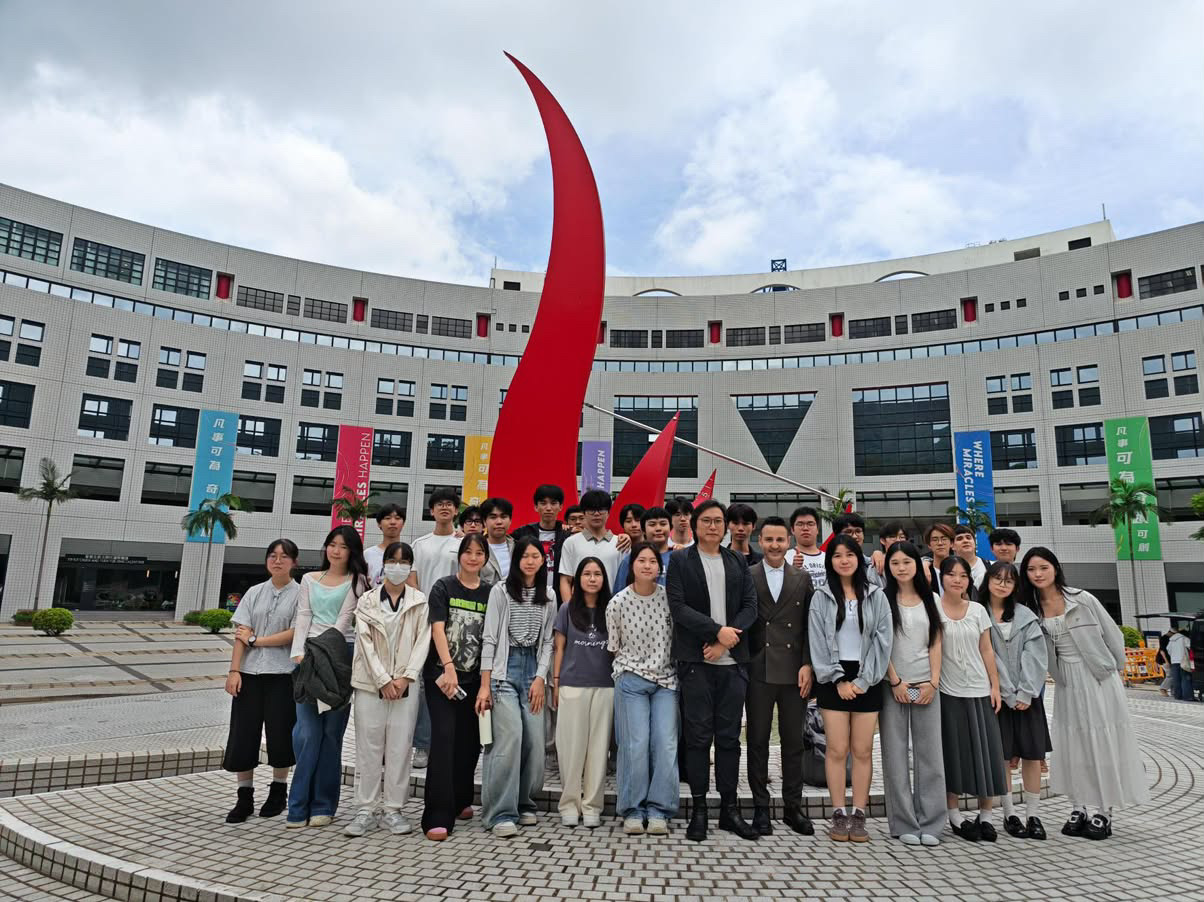
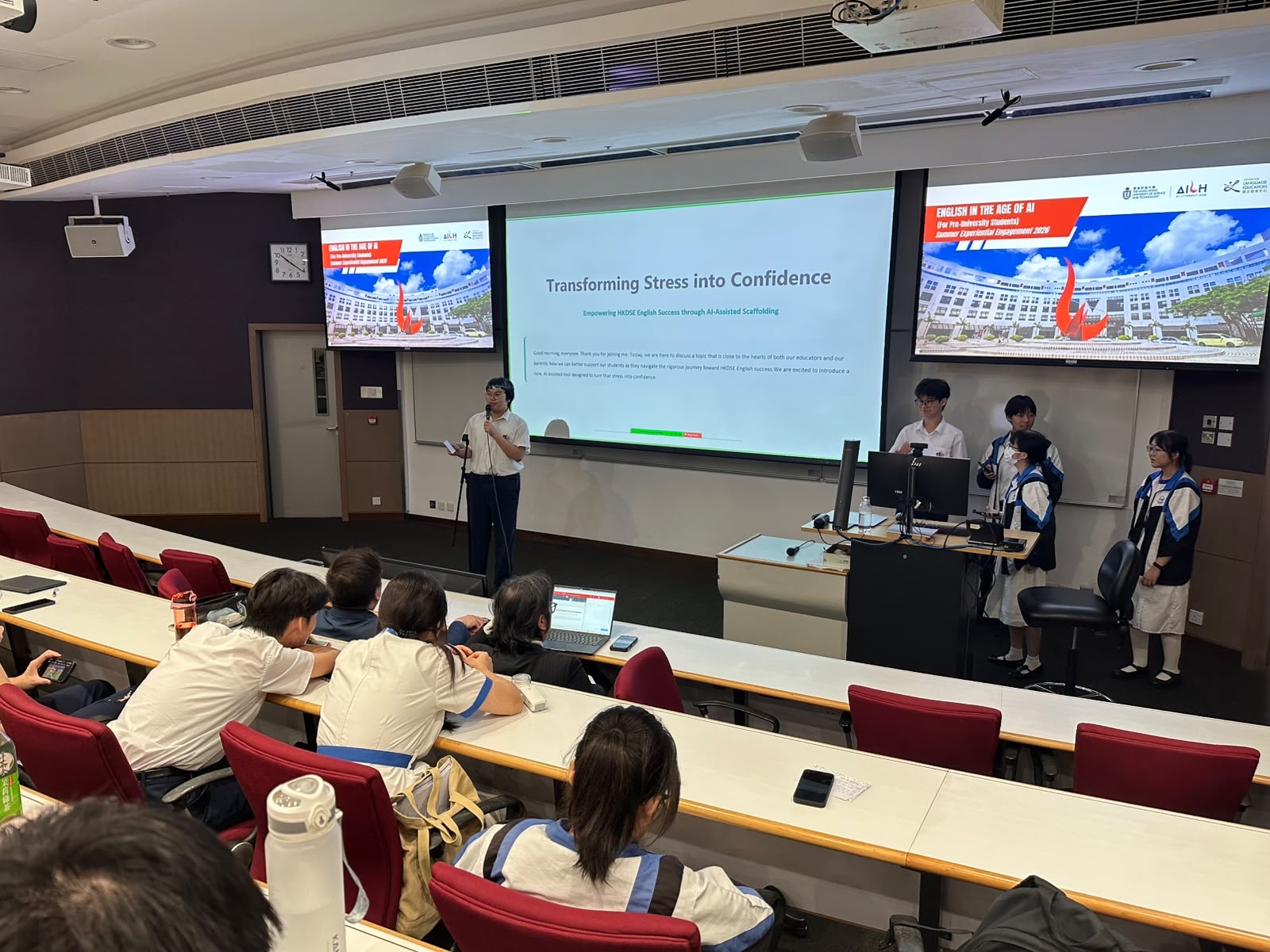
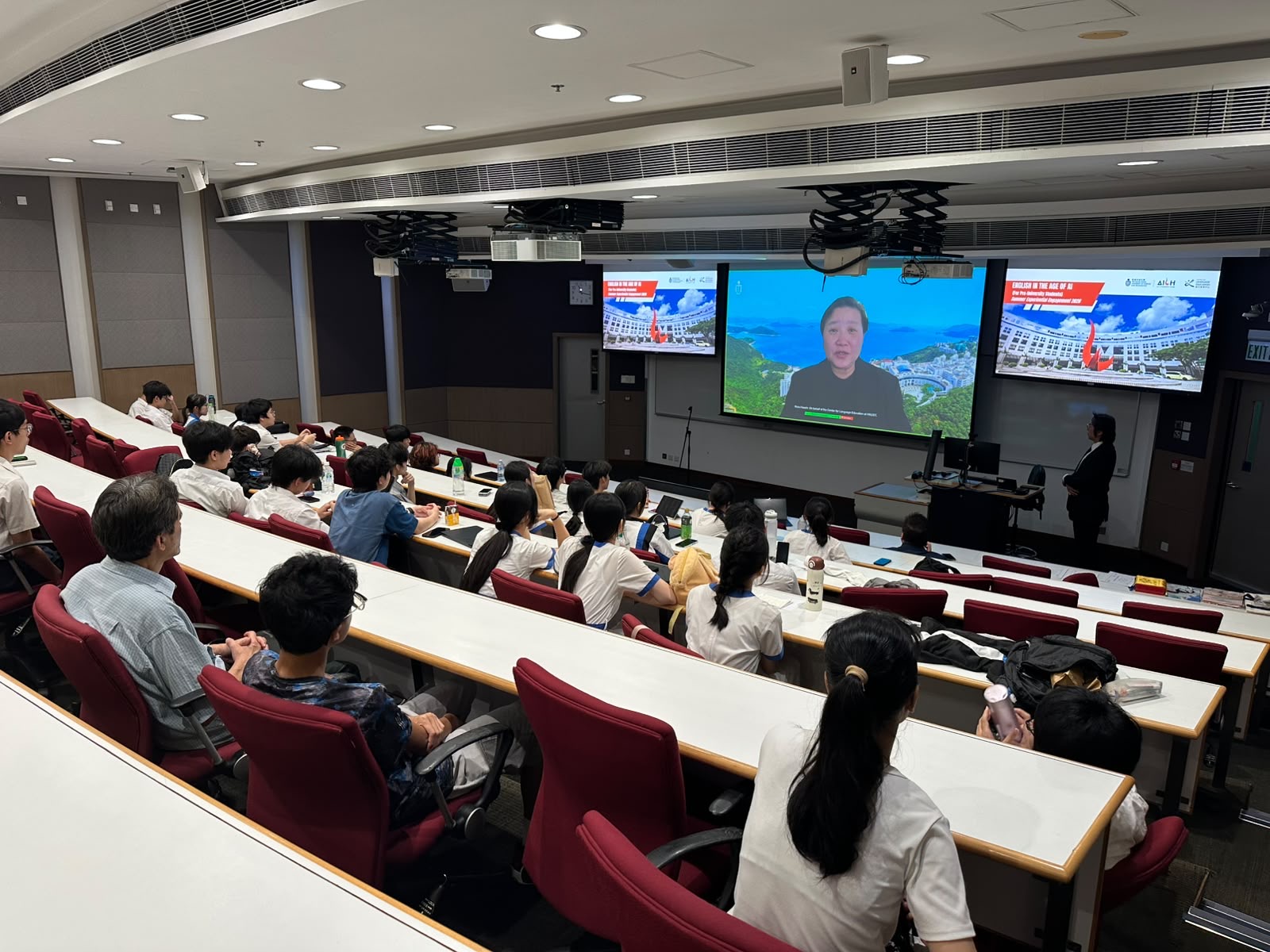
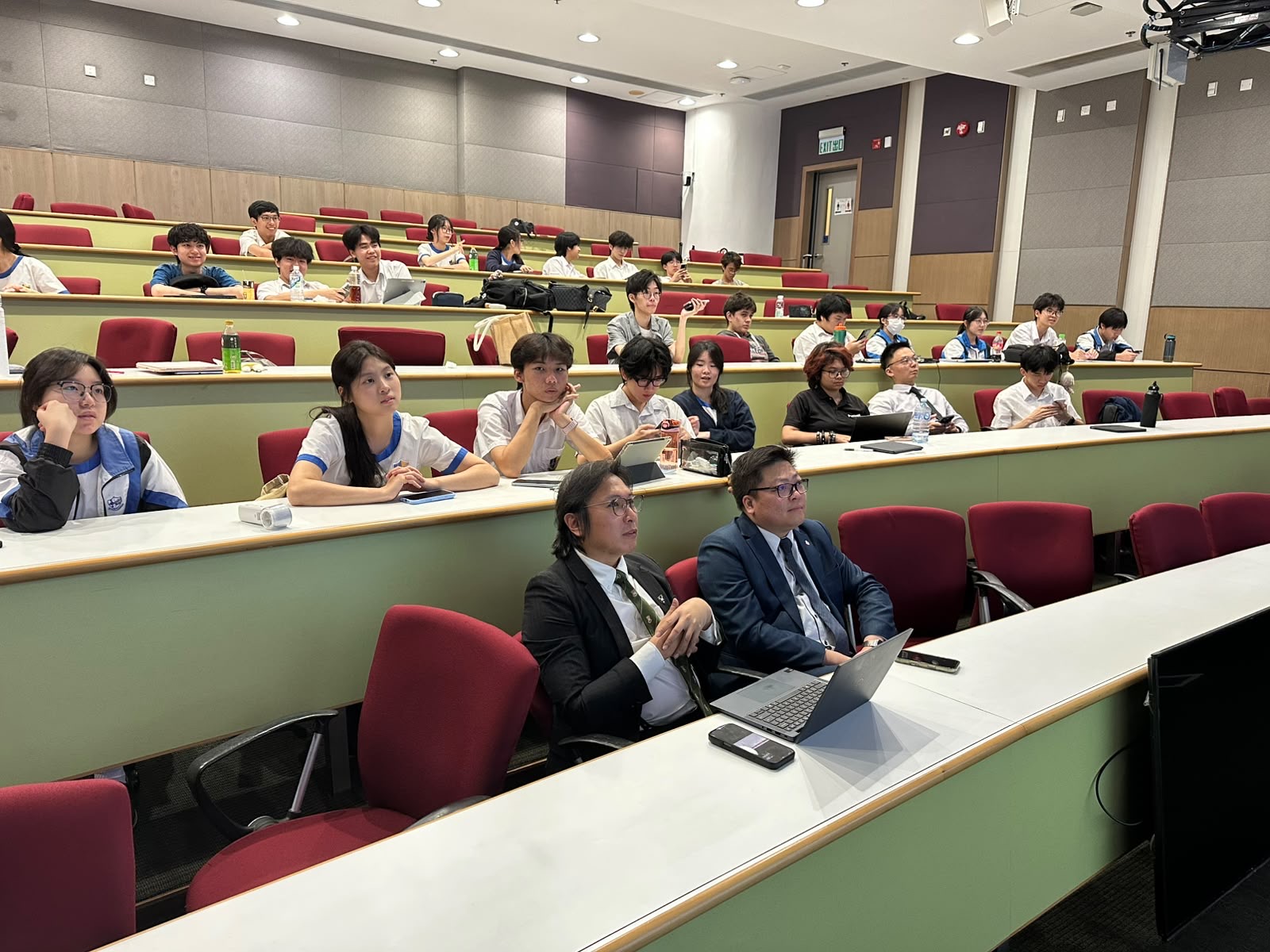
The Center for Language Education (CLE) and AI Literacy Hub (AILH) successfully concluded their Summer Experiential Engagement from 6 to 12 July 2026, welcoming 29 Form Five students from CCC Kei San Secondary School for an intensive programme combining coding and English language learning, culminating in project presentations on Day 7.
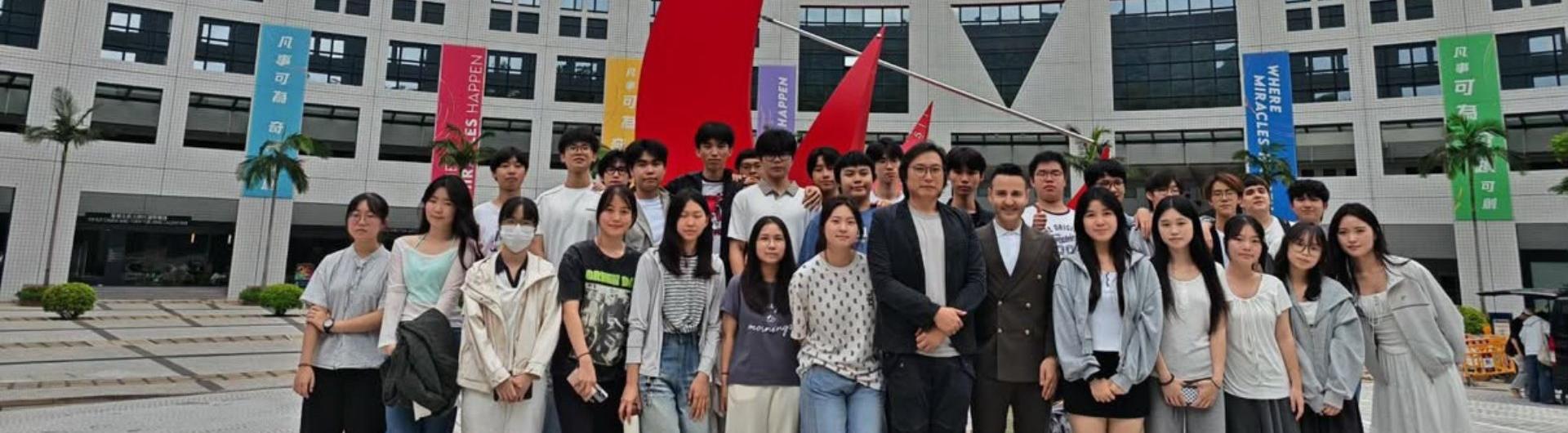
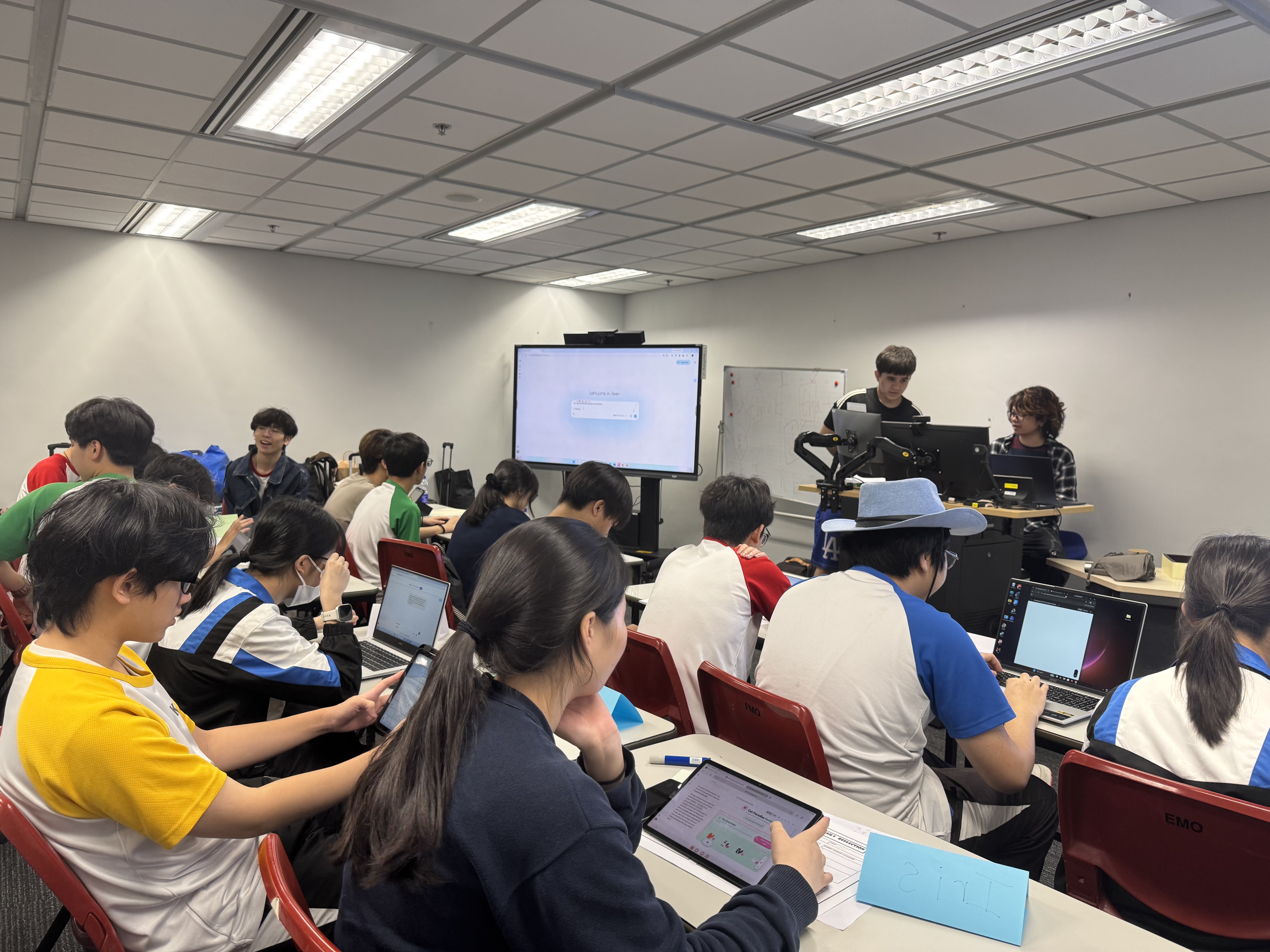
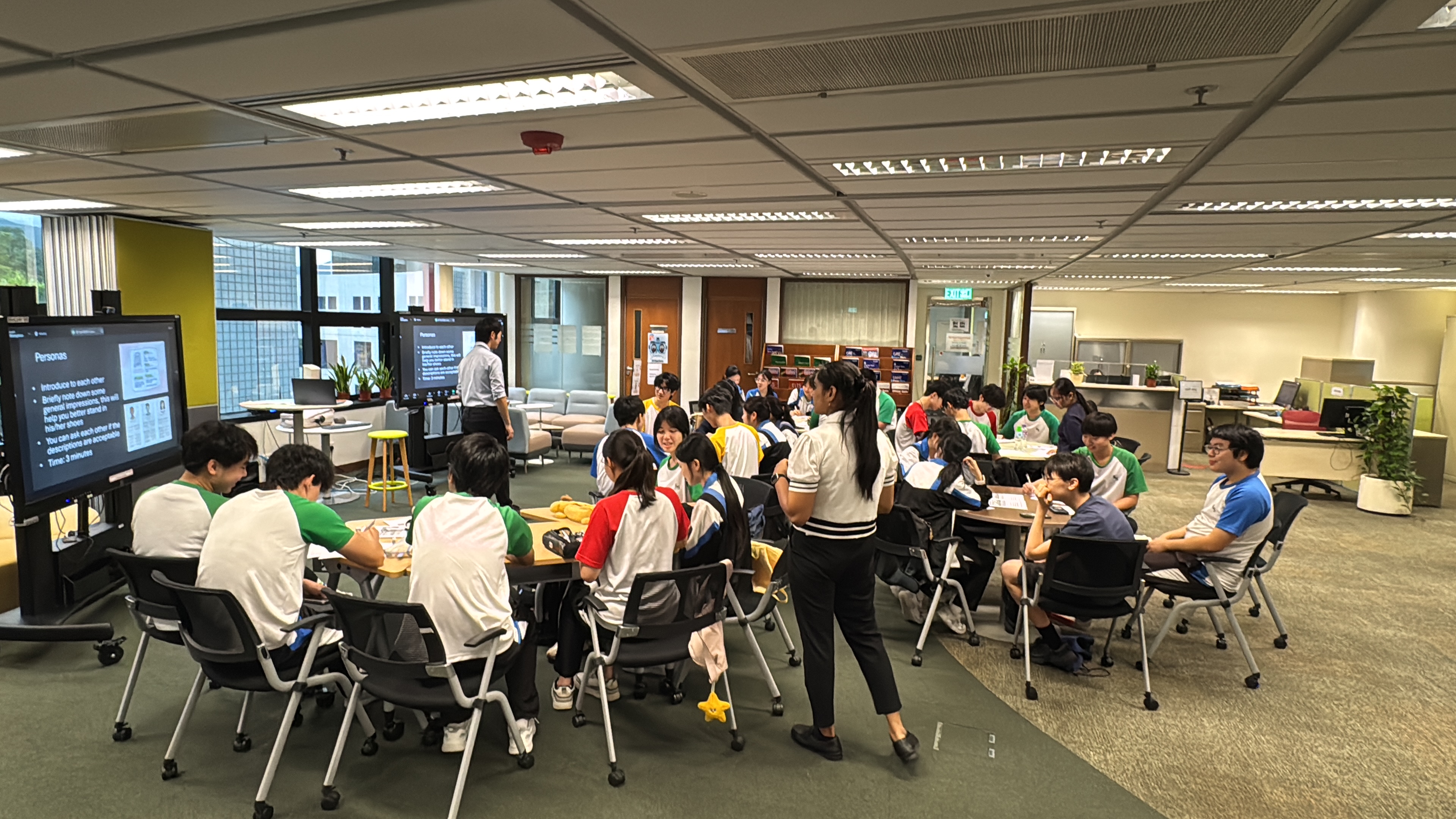
Designed specifically for secondary school students, the programme draws on Human-AI language and communication strategies. From the induction at CCC Kei San Secondary School on 26 June, through six days of learning and doing, to the final presentations, the students demonstrated strong learning, exploration, collaboration, and communication throughout. They conducted their own needs analysis, carrying out surveys and interviews both within and beyond HKUST. From there, many progressed from just beginning to work and communicate with AI to creating five functional English language learning apps, ultimately delivering presentations that were not only impressive, but professional, thoughtful, and confident. Their growth was particularly notable as they adapt quickly to new technical and language learning concepts alike.
HKUST students also took part, serving as tutors and mentors throughout the six days. Beyond guiding the secondary students through technical challenges, they helped build the students' confidence and communication skills, while gaining valuable hands-on experience in language teaching and mentorship. The initiative thus fostered meaningful learning on both sides —a reciprocal exchange that put the CLE's experiential, learn-by-doing approach to language education and AI into practice.
The CLE extends its gratitude to Dr. John Ko, Principal of CCC Kei San Secondary School, for his partnership and trust; to all parents who supported their children in taking on the challenge; and to the dedicated CLE faculty and staff whose support made the summer experiential engagement possible. The success of this year's engagement underscores the value of collaboration between universities, secondary schools, and the parent community in nurturing the next generation of confident, capable, and digitally literate learners.