Wu Hung × Yu Long: The Boundary of Resonance Explores Art, Music and Creativity in the Age of AI
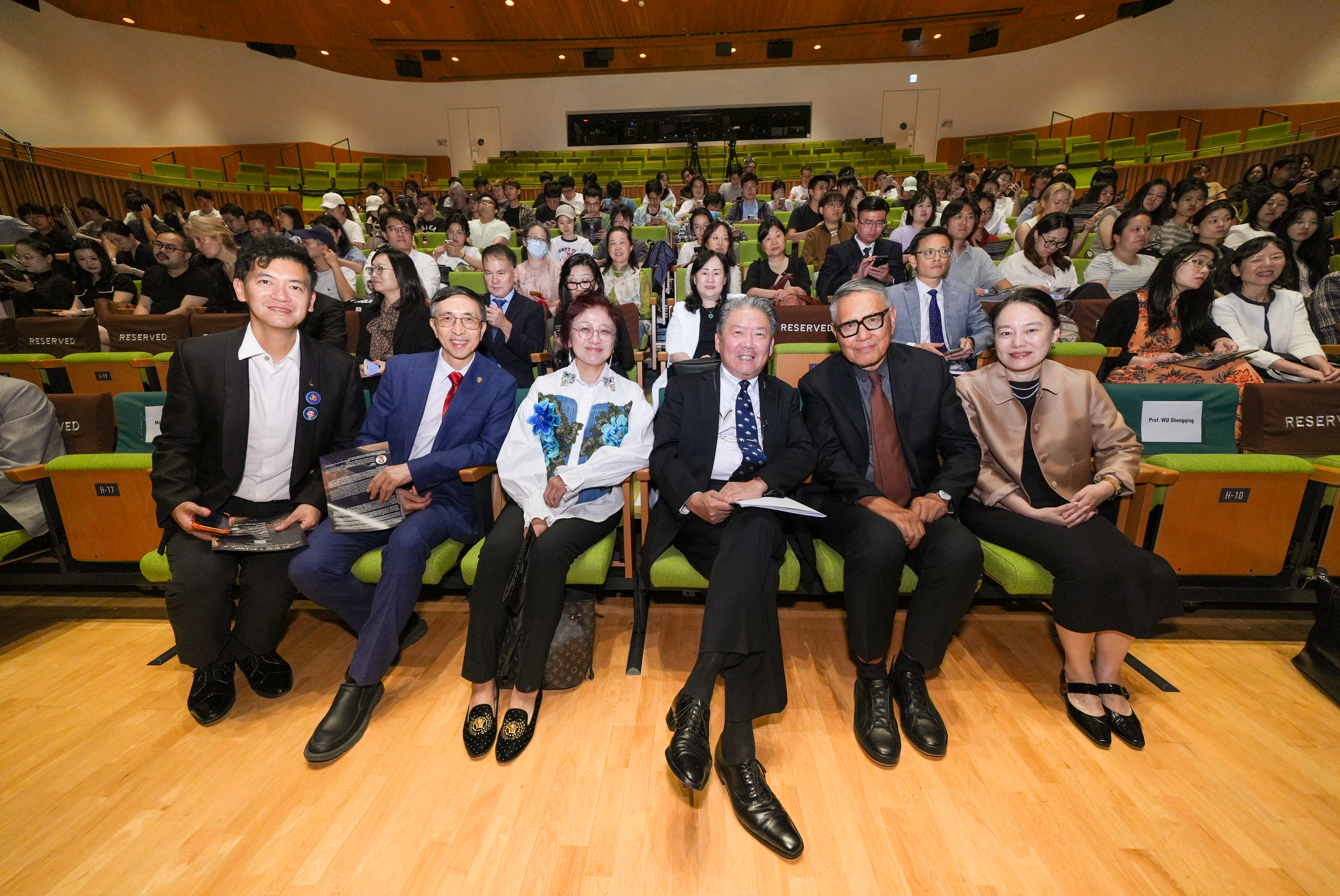
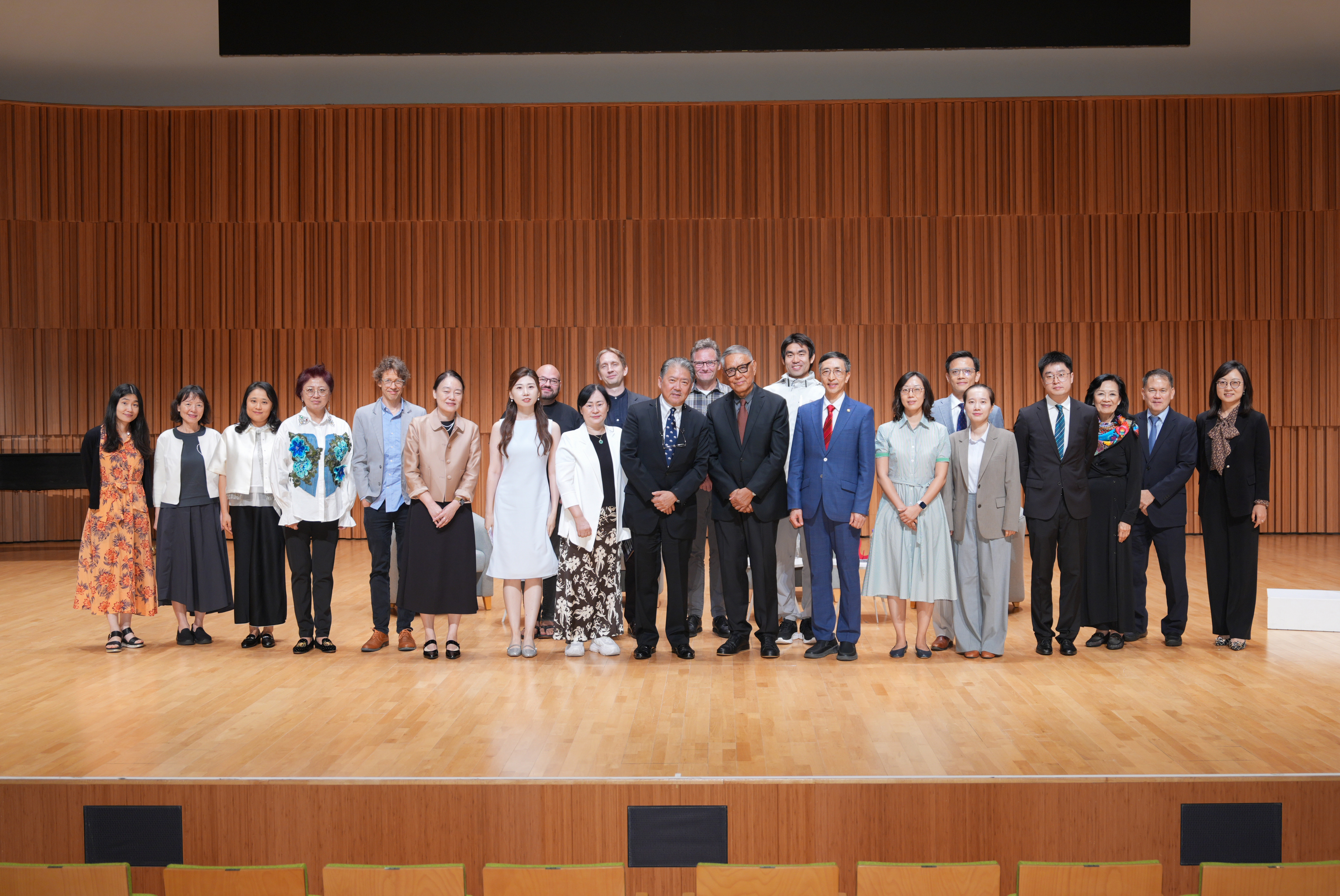
On 22 September 2026, the School of Humanities and Social Science (SHSS) hosted Wu Hung × Yu Long: The Boundary of Resonance, a special dialogue on art, music, and creativity in the age of artificial intelligence.
Earlier that day, both Prof. Wu Hung and Maestro Yu were conferred on Honorary Fellowships by HKUST in recognition of their significant contributions to society and their unwavering support for the University. The conferral ceremony was officiated by Prof. Harry Shum, Chairman of the HKUST Council, and Prof. Nancy Ip, President of HKUST. Read the full Honorary Fellowship announcement here.
Following the Fellowship Ceremony, SHSS and the Division of Humanities presented this special public forum, bringing together two distinguished newly conferred Honorary Fellows for a thought-provoking dialogue on art, music, creativity, and the opportunities and challenges presented by the age of artificial intelligence.
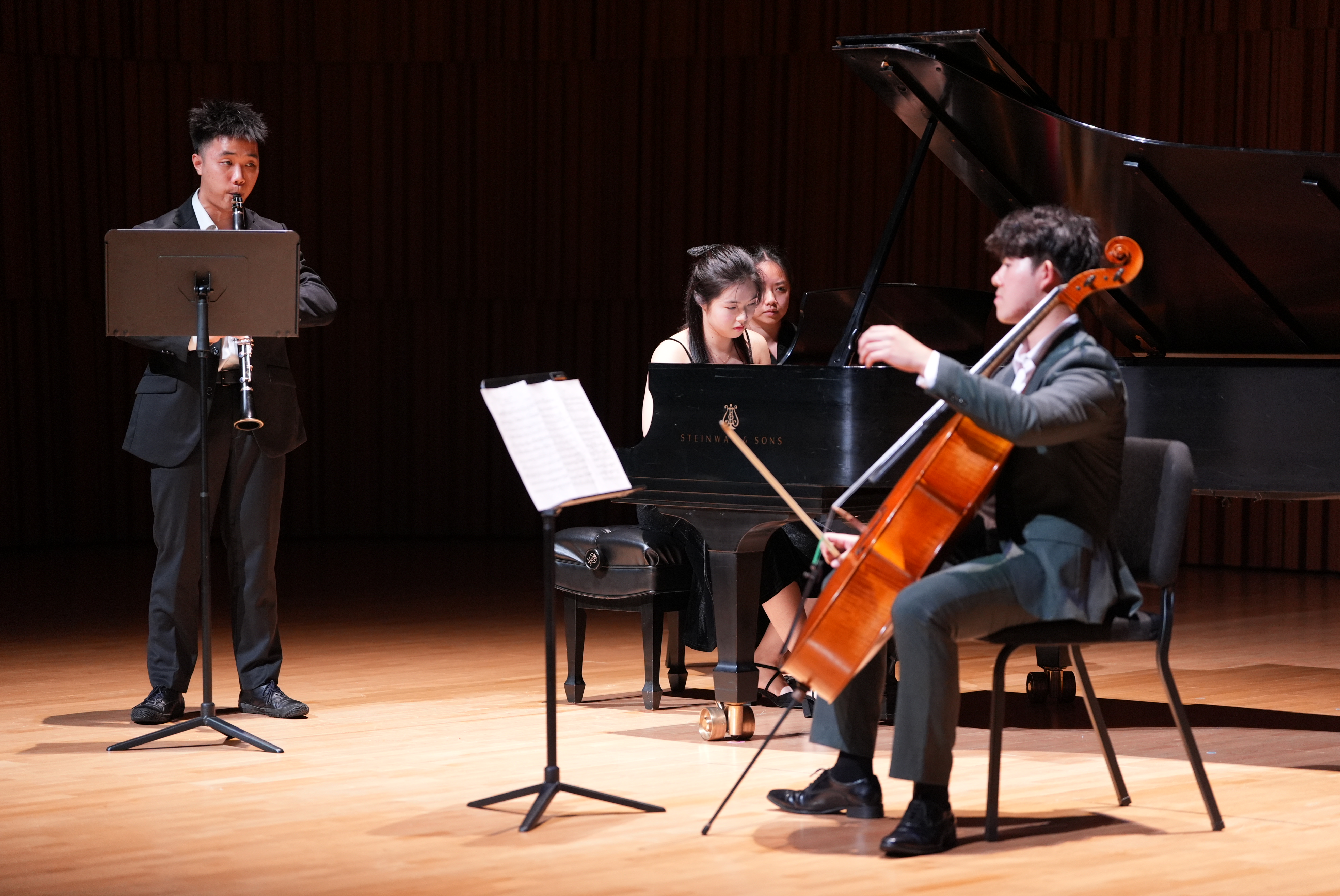
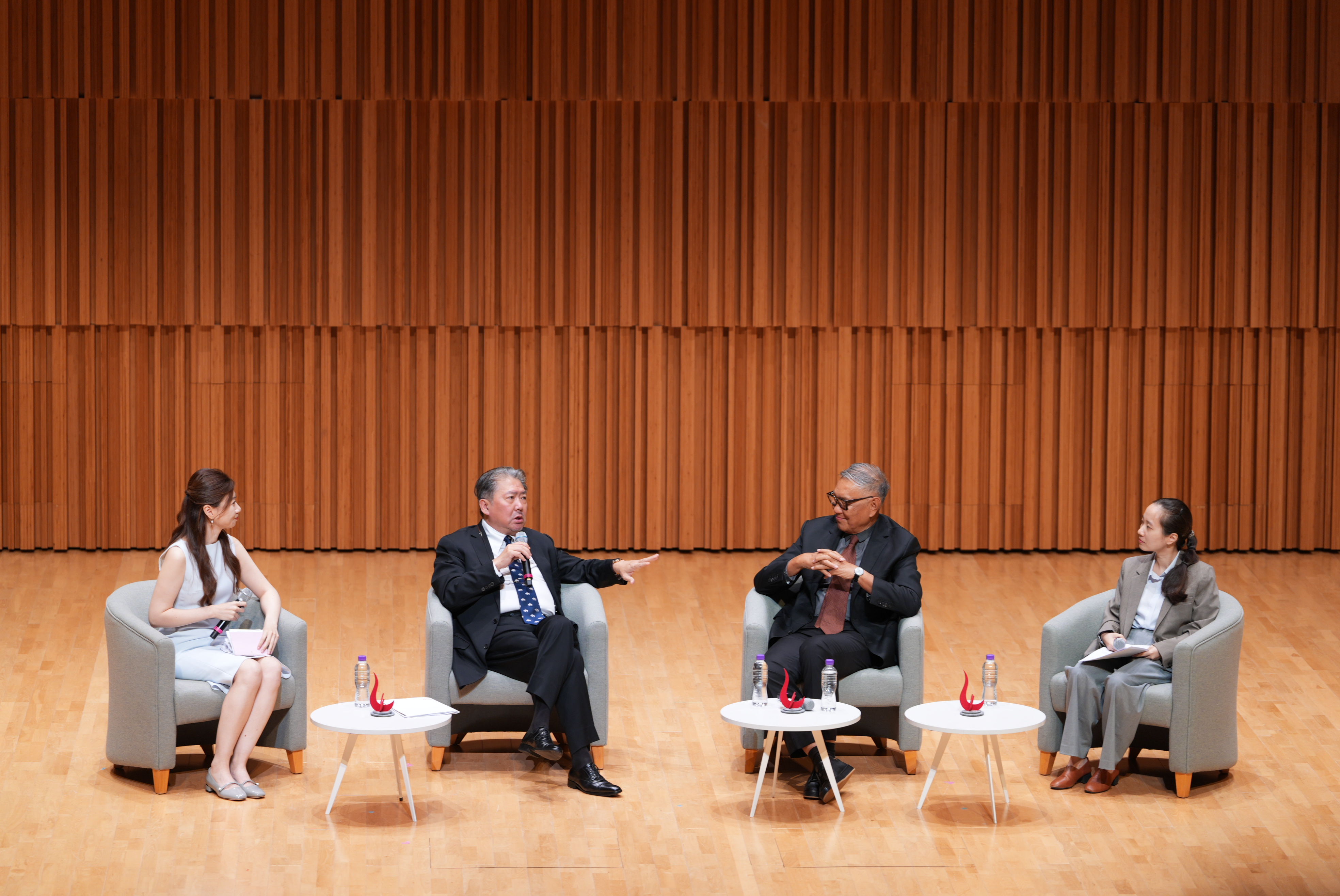
Moderated by Prof. YiFan Shao and Prof. Mi Tian, the conversation attracted a large audience of students, faculty members, alumni, and members of the public. The event opened with a chamber music performance by HKUST students, creating a fitting artistic prelude to an afternoon of intellectual and cultural exchange.
Throughout the dialogue, Prof. Wu and Maestro Yu reflected on the nature of creativity, interpretation, and artistic leadership. Discussing the relationship between originality and reinterpretation, Prof. Wu drew upon examples from Chinese art history to explain that artistic transmission is never a process of simple duplication. Rather, each generation contributes its own historical experience and cultural perspective, allowing artistic traditions to remain vibrant and relevant across time.
Maestro Yu offered a parallel perspective from music. While emphasizing the importance of remaining faithful to a composer's intentions, he observed that every performance inevitably reflects the individuality of the performer. He noted that great music invites continual reinterpretation, and that the interaction between musicians, audiences, and historical context gives each performance its unique character.
The discussion naturally turned to artificial intelligence and its growing presence in artistic and cultural life. While acknowledging the remarkable capabilities of emerging technologies, both speakers emphasized the continuing importance of human imagination, judgment, and experience.
Maestro Yu observed that the magic of live performance lies precisely in its unpredictability. The most memorable artistic moments often emerge from spontaneity, intuition, and human interaction, qualities that cannot be fully reproduced by technology alone.
Prof. Wu situated AI within a broader historical context, noting that many transformative technologies have initially been viewed as threats to artistic practice. Using photography as an example, he argued that technological innovation often expands rather than diminishes creative possibilities. The challenge he suggested lies in understanding how new technologies can complement rather than replace human creativity.
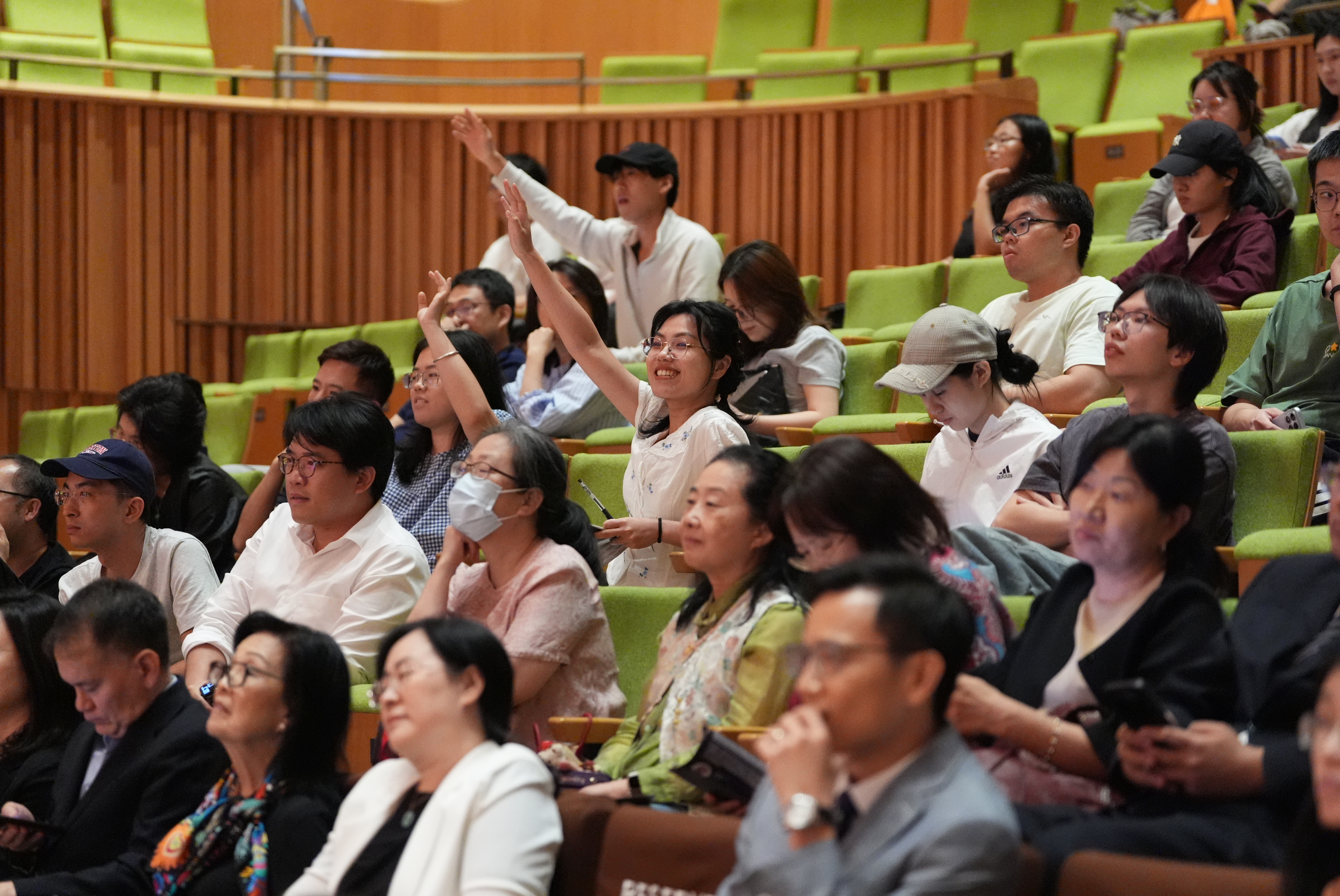
During the audience Q&A session, students actively engaged with the two speakers on topics ranging from artistic practice and creativity to art therapy, interdisciplinary collaboration, and the future of the arts in the AI era. Addressing the next generation, both speakers encouraged students to cultivate curiosity beyond disciplinary boundaries and to embrace the intersection of art, technology, and humanistic inquiry.
The forum concluded with a vibrant exchange of ideas and a strong sense of optimism regarding the future of creativity. Reflecting HKUST's commitment to interdisciplinary dialogue, the event demonstrated how conversations across art, music, technology, and the humanities can enrich our understanding of both the challenges and possibilities of the AI age.